2026-10-11 · Marcus Thorne
Why is My Water Heater Leaking in DeSoto?
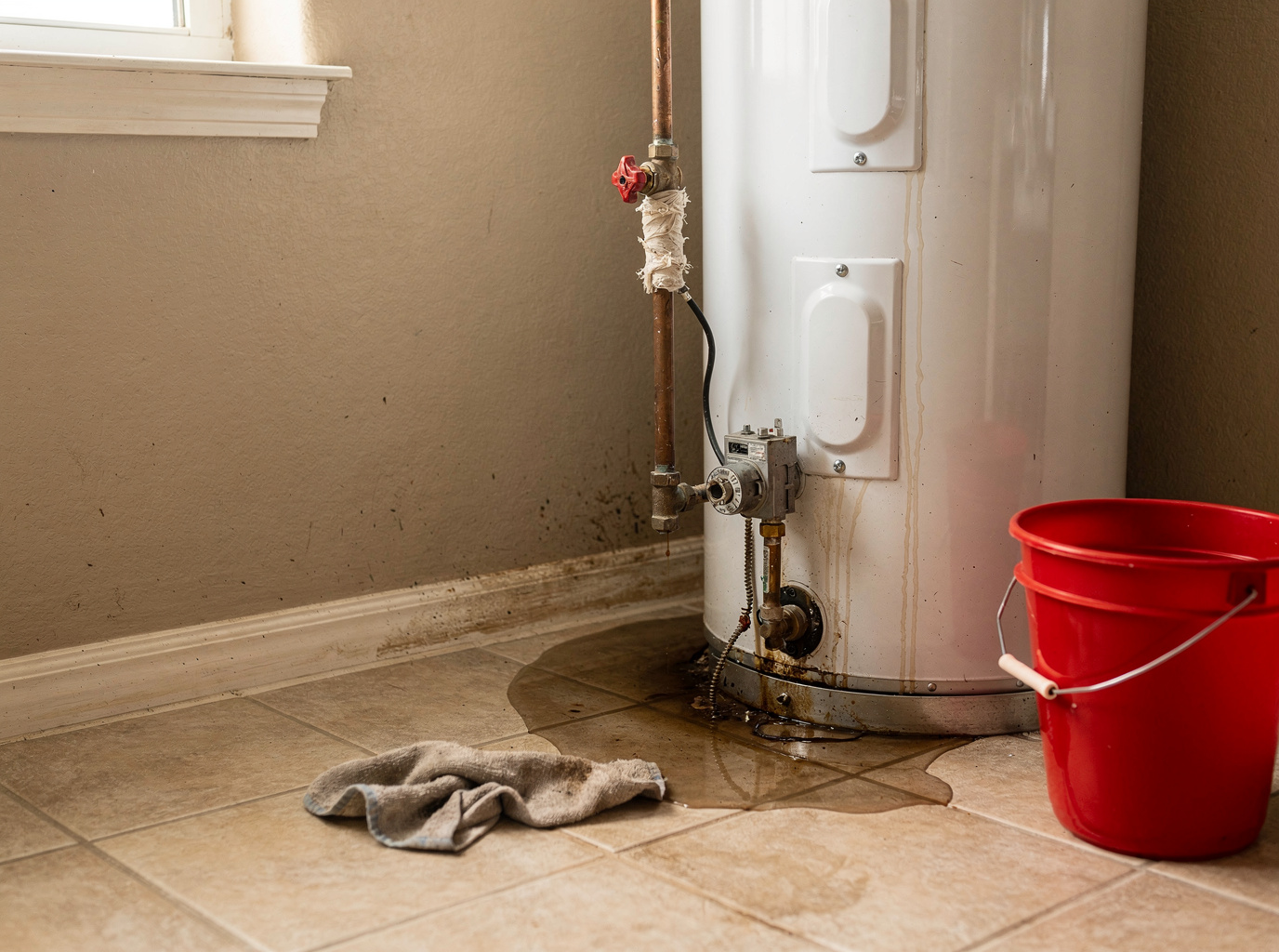
A water heater leaking in your DeSoto home typically indicates one of several issues, with the most severe being a compromised tank, which often means replacement is imminent. Less critical, but still requiring immediate attention, are leaks from connections, valves, or fittings, which can usually be repaired. In Dallas County, where we experience hot, humid summers and mild winters, the constant demand on water heaters, coupled with potential mineral buildup from our local water supply, can accelerate wear and tear, leading to leaks. Understanding the source of the leak is the first step toward an effective solution, whether you're in Downtown DeSoto or North DeSoto.
Common Causes of Water Heater Leaks in DeSoto
Several factors contribute to water heater leaks, and identifying the specific cause is key to determining the best course of action. For many homes in DeSoto, particularly those older properties around Moseley Park, water heaters have been in service for a decade or more. The typical lifespan of a conventional tank-style water heater is 8–12 years, and as they approach or exceed this, the likelihood of a leak increases significantly. One of the most frequent culprits is internal corrosion of the tank. Over time, the protective lining inside the steel tank can degrade, exposing the metal to water and leading to rust. This rust eventually eats through the tank wall, resulting in a leak. Once the tank itself is compromised, repair is rarely an option, and a full Water Heater Replacement becomes necessary.
Another common leak source is the temperature and pressure (T&P) relief valve. This safety device is designed to open and release water if the pressure or temperature inside the tank becomes too high, preventing dangerous conditions. However, over time, these valves can fail due to mineral buildup or wear, causing them to drip or continuously leak. While a T&P valve leak can sometimes be a sign of excessive pressure within your system (which should be investigated), often it's just a faulty valve that needs to be replaced. Similarly, leaks can originate from the drain valve at the bottom of the tank, especially if it's old, corroded, or has been opened and closed frequently, leading to a poor seal. These types of leaks are often more straightforward to address and fall under our Water Heater Valve and Connection Repair services.
Leaks from Connections and Pipes
Beyond the tank and valves, leaks frequently occur at the various connections to your water heater. The inlet and outlet pipes, which bring cold water in and carry hot water out, are common points of failure. These connections can loosen over time due to thermal expansion and contraction, or the fittings themselves can corrode. In DeSoto, where the water supply can contribute to mineral deposits, these issues can be exacerbated. A leak from these pipe connections often manifests as dripping from the top of the unit. Similarly, the cold water inlet shut-off valve can develop leaks, either from a failing packing nut or a corroded valve body. While these leaks might seem minor, even a slow drip can lead to significant water damage and mold growth if left unaddressed. Our team regularly handles Water Heater Leaking from Pipe Connections to quickly resolve these issues.
It's important to differentiate between a leak from the tank itself and a leak from a connection. A leak from a connection or valve can often be repaired by tightening, resealing, or replacing the specific component. However, a leak directly from the tank, especially from the bottom, almost always signals a need for replacement. If you see water pooling around the base of your unit, it's critical to determine the source immediately. For a comprehensive assessment, consider a Water Heater Leak Inspection to pinpoint the exact problem.
The Impact of DeSoto's Environment on Water Heaters
DeSoto's climate, characterized by humid subtropical conditions with hot summers, places consistent demands on water heating systems. While our winters are mild compared to northern regions, the occasional cold snap, particularly when temperatures drop below freezing, can stress plumbing systems if not properly maintained. Furthermore, the mineral content in the local water supply, common across Dallas County, can contribute to sediment buildup inside water heater tanks. This sediment reduces efficiency, can cause the heating element to work harder, and, over many years, can exacerbate corrosion, especially at the bottom of the tank. This is a significant factor in why we often see Water Heater Leaking from Bottom issues in older units.
Regular maintenance, such as flushing your water heater annually, can help mitigate some of these issues by removing accumulated sediment. However, even with diligent care, the lifespan of a water heater is finite. When a leak occurs, especially from the tank itself, ignoring it can lead to extensive water damage to your home's flooring, walls, and foundation. This is why prompt action is essential. For more insights on extending your unit's life, read our article: DeSoto Water Heater Lifespan: When to Repair, When to Replace.
What to Do When Your Water Heater Leaks
If you discover your water heater leaking, the first and most crucial step is to shut off the water supply to the unit. There should be a cold water shut-off valve on the pipe leading into the top of your water heater. Turn this clockwise until it's completely closed. Next, turn off the power supply to the water heater. For electric units, this means flipping the circuit breaker in your electrical panel. For gas units, turn the gas valve to the "OFF" position. These steps will stop the leak from worsening and prevent potential electrical hazards or further gas leakage. Once the water and power are off, you can begin to assess the situation more safely.